 by
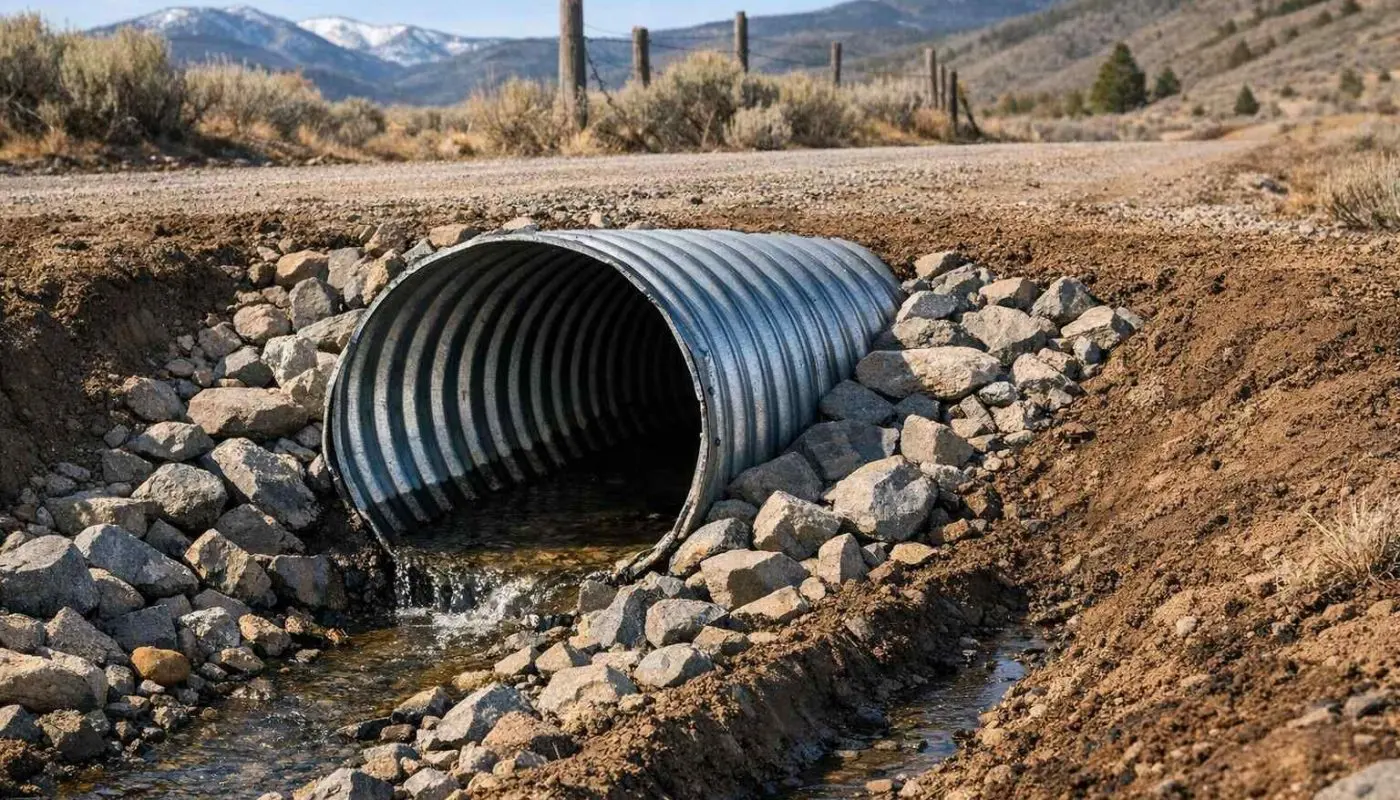
As you map out a lease on paper, remember that even seemingly good access can be blocked by a closed gate, washed out culvert, or severely worn ranch road. Eventually all access roads wear and change, and the hunting plan must account for how much the property can handle before problems arise. Identify who decides what needs repair and who pays for maintenance. Also establish what access the lessee will have and what happens should conditions change and access be restricted.
Start with the road you will actually use
Do not accept that a property has "good access" – get the landowner to describe in detail the route that will be used to access the property. This includes all gates that will be open, all interior routes that will be used, all parking areas and all turnaround points. A road that is suitable for a single passenger to travel down in reasonable dry conditions may not be suitable for a vehicle pulling a trailer, or a guide's truck, or even for a vehicle loaded with harvested game.
Try to inspect the property under the same conditions as on the worst hunting day of the year. Discuss the access road(s) on the property. Are there gates that need to be opened and closed? Are there interior roads? Is there a parking area and a good turnaround? Try to get a photograph of the major problem areas on the property. This will help to identify potential problems before you sign.
Put maintenance responsibility in plain language
Road maintenance is often the responsibility of more than one person or entity (e.g. landowner, lessee, neighboring owner(s), public agency(s)). The lessee's agreement should set forth the routine maintenance that the lessee is expected to perform in order to maintain access, as well as the major repairs that are the responsibility of another. For example, clearing brush, opening and shutting gates, filling in minor wheel track ruts, removal of small obstructions would be considered routine maintenance. Repair of a damaged bridge, failing drainage, or a washed-out section of road would be considered major repairs.
Ask these questions directly:
– Who is responsible for inspecting the road before each access period?
– Who can authorize repairs or grading?
– Who is responsible for paying for the necessary labor, equipment, and materials?
– Does the lessee require permission prior to making any repairs?
– How quickly should the parties notify one another of a closure or of a hazard to access?
It is important to note that the written terms do not have to anticipate every possible storm. What is important is that the written terms establish a clear process for dealing with problems that arise from time to time as well as more serious failures.
Separate access rights from maintenance duties
Rights to access a property for hunting do not automatically include right to improve road access to that property for hunting. Thus, Lessee may have right to use a ranch road for hunting but be prohibited from grading, enlarging, moving a drainage course, cutting vegetation, or bringing in contractors for repairs. Such work could cause significant harm to the property.
Be sure to spell out the number of individuals that will be accessing the property (including the lessee and his/her hunting partners, guides, packers, etc.) and whether they will be entering exclusively or if they will be sharing access with other owners or users. The agreement should outline the specific hours and seasons of access as well as the gates that the lessee is authorized to open and close and the boundaries of the property that he or she can enter in traveling to and from his/her points of hunting.
Guided hunting: Will your guide or hunting partner need to bring in a separate vehicle or even pick you up at a later time from an alternate location? Try to work out these kinds of details before you leave for your trip and make sure that your permission to enter is good for all of the people who will be with you on your hunt.
Ask how weather closures will be handled
Recognize that keeping a road open during periods of abnormal use is not always in the best interest of the property. Abnormal use can cause serious damage to a road, deepen ruts and negatively affect drainage. A landowner may be willing to close a road for protection of the property, while a hunter may wish to retain the use of the leased property for additional days of hunting.
Who makes the decision to close a road? How will you be informed of a closure? What will happen with respect to your leased access for the closed period (e.g. can you reschedule for another time, use an alternative route, travel in vehicles in reduced numbers, etc.)?
So long as there is a simple written process of notification (e.g. a text message, phone call or simple written notice) and the lessee knows who to contact in relation to safe travel on the ground, the parties can avoid difficulty in relation to such matters.
Check the trade-offs behind a cheaper lease
An even more important consideration, however, is the property's past maintenance and current condition. Be sure to understand the extent of recent repair and what areas of the property are currently failing. In addition, find out if the owner expects lessees to spend a great deal of time and money maintaining roads. If you're considering a share of the cost to improve a property's roads, be sure to understand the owner's expectations and be sure that you've clearly outlined the terms and conditions of any such agreement in the lease.
In addition to being uncomfortable and therefore a potentially less desirable hunt, repeatedly driving a ranch road throughout the day could also result in habituation of ranch animals, increased concentration of hunting pressure in a small area of cover, and increased risk of doing negative impact to sensitive areas of the property in order to reach a remote location for hunting.
Roads are planned for the property not for the lessee.
Protect drainage, habitat, and neighboring access
Ask who would approve any maintenance that goes near a water feature (like a drain or creek) and if the property owner has any best management practices (BMPs) that lessors and lessees can use to keep ranch roads in decent shape without impacting the property in adverse ways.
Are there areas where lessees can park their vehicles during wet or snowy weather? Are there alternative routes that may be used temporarily? If the only road access is across neighboring land, are you certain that you have access permission for the entire route? A friendly word with the neighboring landowner may not be sufficient to grant lawful access.
Make sure to check for current requirements on roads, gates, public access, land use, and vehicles for your location before entering into a lease. Requirements can change so be sure to check with the appropriate land manager or government office for the most current information and do not rely on a lease to grant permission to access the land covered by the lease in place of other required permission.
Use a pre-signing road checklist
A simple pre-signing road access "contract" can be drawn up listing the key aspects of road access to be confirmed by the owner. This should also include who to contact in case of an emergency, and how to handle a closure. Copies of correspondence should be kept by the lessee and these terms and conditions incorporated into the written Lease.
Ask the landowner the following question prior to signing the lease: "What has been the biggest road problem on this property and how would you handle it during the time of your lease with me?" Remember that good planning is key and the above questions will help to identify some of the key elements in determining the ability to provide safe access to hunting on the leased property for you and future lessees.