 by
by Navigating Ethical Decisions in Guided Colorado Hunts
A guided hunt can feel exciting. It also brings an ethical responsibility that every hunter must face. The guide offers skill but the final decisions in the field rest on you. Wildlife can act unpredictable weather can. Local rules can shift, making good decisions hard to reach. Good talk before the trip is essential. It sets up a system where you can choose wisely of reacting to instant pressure.
Establishing Clear Boundaries
Setting limits for the hunt is very important from the start. Talk with the guide about details, such as the animal species to chase the legal hunting ways the season dates and the map limits you must follow. These rules are guides, not just paperwork.
Spend time saying what situations would make you skip a shot even if that might be the chance that day. Think about points like:
– Not sure the animal is which species
– Bad visibility
– Dangerous shooting angles
– Animals moving outside the agreed limits
– to the border lines
If you cannot find clear stopping rules it shows you need to sharpen focus before a key moment. Also share your goals with the guide. Whether it is your big‑game hunt or you want a particular animal matching expectations is vital to avoid extra pressure.
Create a Flexible Game Plan
While talking about expectations it is important to set a decision plan of just promises. Ask the guide how they will change if the situation changes – whether because of areas moving animals or bad visibility.
Both hunters must share how to act in situations, such as:
– When to move to another spot
– Who checks the borders
– What to do if the first hunting area does not give good chances
Set a signal or phrase to show when you must pause and think again. A simple phrase such as, "Let us look again " can help you express doubt without pressure.
Implement a Pre-Trip Checklist
Before starting the hunt a short pre‑trip list can clear up confusion. Check these items:
– Confirm you have the licence and tags for the season
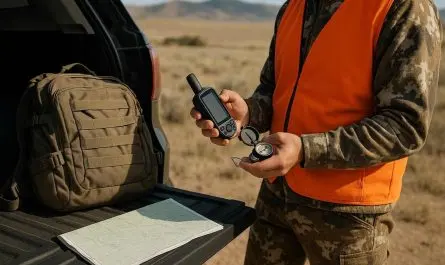
– Talk about land borders doors to enter and road limits
– State clear rules for shooting and when to skip a chance
– Decide how bad weather, injury or tiredness could change the plan
– Name who will explain unclear rules
– Set what to do if no good hunting chances show up
Because rules can change it is wise to verify needs with Colorado Parks and Wildlife and any land managers before heading out.
Evaluating Opportunities with Care
When a hunting chance shows, excitement can blur thinking. Key questions must be answered:
– Can you see clearly which species and sex it is?
– Is the animal inside your agreed rules?
– Where could a missed shot go?
– Is there time to decide carefully?
If any part is unclear it is better to wait or let the chance go. This does not mean failure; it shows doubt that could cause problems later like hurting an animal or breaking into another land.
Stay Aware of Property Boundaries
Hunting on land can feel easy but always keep borders in mind. Just because an animal is seen does not mean it will move into property. It is important to land lines rules for picking up animals and who to call if following the animal needs more ground.
Do not think that permission covers chasing or getting an animal using roads or having another person with you. Talk about these facts with the guide before the hunt; if limits appear, pause and check the plan with the landowner or manager.
Prioritize Conservation, in Your Decision-Making
True ethical hunting goes beyond following the law. Ethical hunting means looking at how your actions affect the world around you. Ethical hunting needs a recovery plan correct reports and respect for wildlife and the environment. If you see an animal hurt keep calm. Follow legal recovery steps even if that means delaying a schedule.
Sometimes a guide may say skip a shot if conditionsre not right such as poor visibility, livestock nearby or difficult terrain. That kind of judgment shows care for the sport and for conservation, not a rigid plan.
Lastly always think about what happened during the hunt. Write down any changes, confirmations or points that need detail. Hunting success is not about the catch; it is about knowing your decisions respecting the land and reducing problems, for wildlife and other hunters.