September 9, 2026
A Responsible Hunter's Checklist for an Unfamiliar Property: Better Decisions Before the Trip

A Responsible Hunter’s Checklist for an Unfamiliar Property: Better Decisions Before the Trip

A permission slip is not a complete hunting plan. On unfamiliar property, uncertainty about access, boundaries, terrain, livestock or local rules can lead to poor decisions under pressure. Preparation creates clearer expectations, better communication with the guide or land manager, and more room to act ethically when conditions change.

Build a property file before you leave

Keep written permission, lease terms or outfitter instructions together with the property address, meeting point, access route and any current map.

Confirm which gates may be opened, where vehicles may travel, whether camping or overnight parking is allowed, and which areas are closed because of livestock, crops, active work or safety concerns. Ask how boundaries are marked on the ground. A fence, road or creek may not match the legal boundary on a map.

Clarify warning signs before the trip: vague access directions, conflicting map details, unanswered questions about permission, or instructions based on an unfamiliar landmark. None automatically makes the trip unsafe or improper, but each deserves an answer before you arrive.

Verify the hunt, not just the destination

Colorado hunting regulations, season structures, license requirements and game-specific rules can change. Review current guidance from Colorado Parks and Wildlife and confirm that your license, season, method of take and hunt code match the opportunity offered. Carry required documentation in the form accepted by current rules; do not rely on an old screenshot, last season's notes or a friend's recollection.

Ask the guide or lease contact about property expectations, but treat that conversation as a supplement to official regulations. Confirm species, sex and antler restrictions where applicable, legal shooting hours, tagging and reporting duties, and restrictions on bait, vehicles or electronic equipment. If a rule is unclear, verify it through the current official source before hunting.

You should be able to explain what you may legally pursue, where you may hunt and what you must do after a harvest. If not, preparation is incomplete.

Make guide communication specific

Tell the guide about your experience, physical limitations, preferred pace and equipment that affects movement or visibility. This helps the guide plan for steep ground, long walks, cold exposure or extended waits.

Ask practical questions in advance: Who makes the final call on a stalk or shot opportunity? How will you communicate if separated? What is the plan for a wounded animal, weather delay or vehicle problem? Does the landowner have preferences about gates, water sources, blinds, fires or photographs?

Answers should be clear enough that no one must improvise basic safety or access decisions in the field. If the arrangement changes after arrival, restate the new boundary or expectation aloud.

Check equipment for symptoms, not appearances

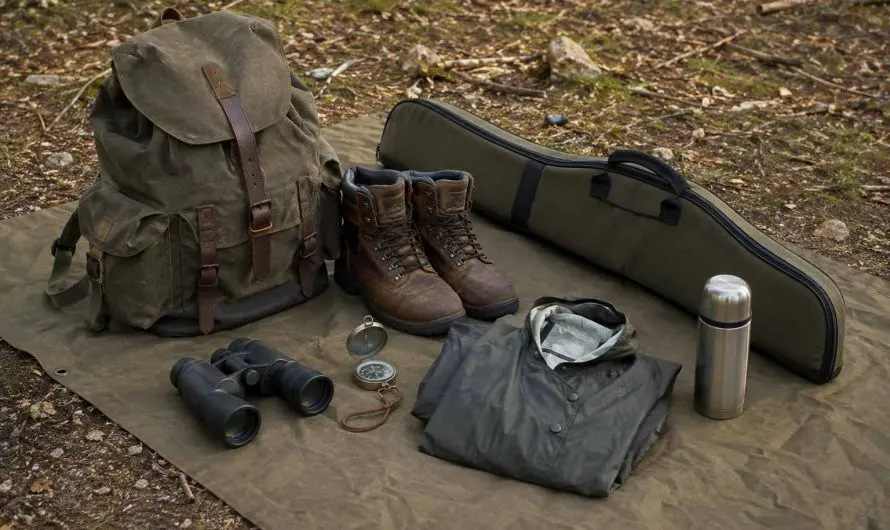
Equipment that looks fine at home may fail under demanding conditions. Test footwear for slipping soles, separated seams and poor ankle support. Check packs for damaged straps, water containers for leaks, optics for fogging or loose mounts, and communication devices for battery life and reliable reception where legally permitted.

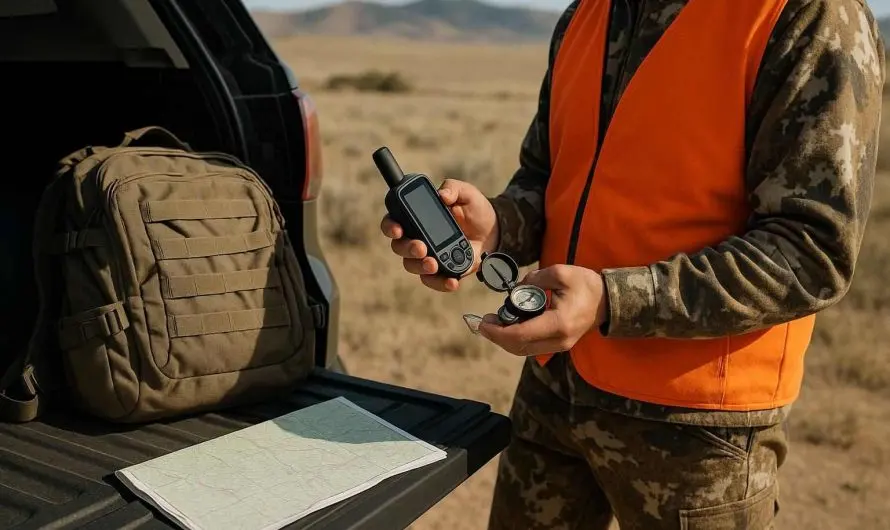
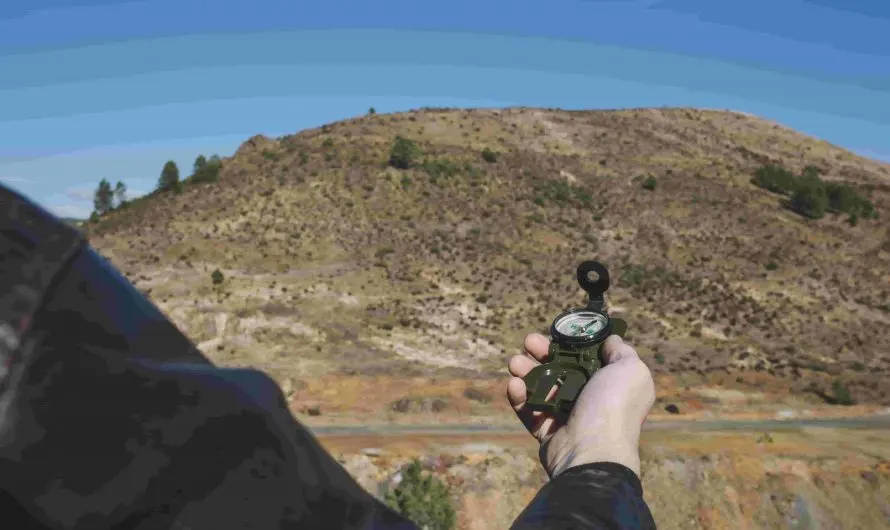
Inspect clothing for missing fasteners and confirm that your layers suit the forecast. Pack water, food, navigation tools, a light, basic first-aid supplies and protection for essential items in wet weather. If a vehicle is part of the plan, check fuel, tires and recovery equipment rather than assuming the access road will be dry or passable.

Repair, replace or adjust defects before departure, and tell the guide about any limitation that could affect the group. A loose strap can become a lost pack; a dead phone removes a useful backup without replacing sound navigation skills.

Decide your ethical limits before the encounter

Responsible hunting is easiest when boundaries are settled before adrenaline narrows attention. Decide when you will not shoot: if identification is uncertain, the angle is poor, the distance excessive, footing unstable, people or livestock are nearby, or the backstop or bullet path is not fully understood.

A guide's experience and local knowledge do not turn a questionable opportunity into an obligation. The hunter remains responsible for the decision to shoot and for following applicable law. If you need more time, say so. If the opportunity is wrong, pass without apology.

After a shot, follow the agreed recovery plan and stay with the facts. Mark the last known location, communicate what you saw and avoid trampling likely sign unnecessarily. If the animal is not immediately recovered, do not assume the outcome. A careful search, appropriate notification and honest reporting support animal welfare and conservation ethics.

Use one final departure checklist

The evening before travel, confirm:

– Written permission, contact details, meeting point and boundary information.
– Current license, hunt code, season and species rules through official guidance.
– Communication, pace, separation and emergency plans understood by the guide and group.
– Boots, clothing, navigation, optics, food, water, light and first-aid supplies checked.
– Vehicle, weather route and alternate plan reviewed.
– Personal no-shot standards decided before entering the field.
– Leave-no-trace expectations, gate procedures, livestock concerns and waste plan understood.

Conservation is present in these ordinary details. Closing gates, staying off recovering ground, avoiding unnecessary disturbance near water, packing out waste and reporting problems promptly protect the working landscape, preserve landowner trust and support future access.

Conditions can change after the checklist is complete. A closed road, wildfire restriction, severe weather notice, altered access instruction or updated regulation is a reason to reassess-not to continue because travel has already been paid for. Good planning is not rigid; it gives you enough information to recognize when to wait, change the route or leave the opportunity for another time.

Leave a Reply

Your email address will not be published. Required fields are marked *